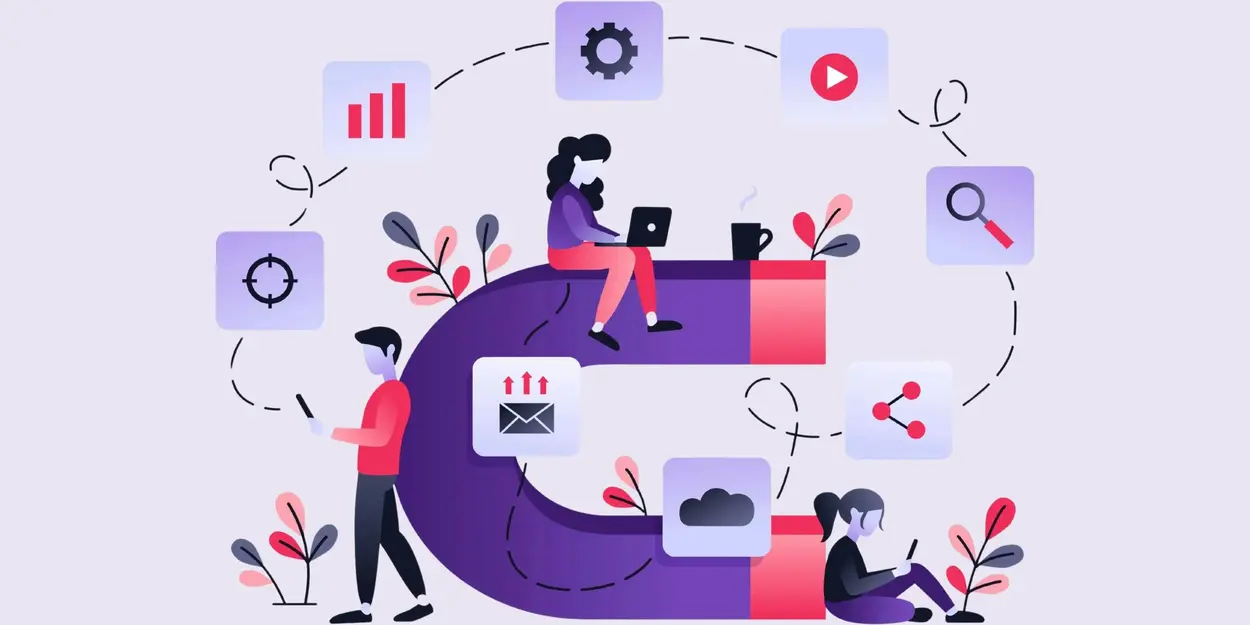
Many business owners spend most of their marketing budget trying to attract new customers. While gaining new customers is important, long-term business success depends just as much on keeping the customers you already have. Loyal customers buy more often, spend more over time, and are more likely to recommend your business to others.
In today’s competitive marketplace, customer retention has become one of the most valuable growth strategies for small businesses. Instead of constantly chasing new leads, businesses that focus on customer satisfaction and loyalty build a stable foundation for consistent revenue.
Whether you own an online store, a local service business, or a growing SaaS company, improving customer retention can significantly increase profits while reducing marketing costs.
This guide explains what customer retention is, why it matters, and the most effective strategies every small business should implement in 2026.
What Is Customer Retention?
Customer retention is the ability of a business to keep existing customers coming back for additional purchases or continued use of its products and services.
Rather than focusing only on acquiring new customers, retention emphasizes building long-term relationships.
Successful businesses understand that customer loyalty creates predictable income and stronger brand recognition.
A retained customer is more likely to:
- Purchase repeatedly
- Recommend your business
- Leave positive reviews
- Spend more over time
- Trust your brand
- Ignore competitors
Why Customer Retention Is Important
Acquiring a new customer often requires advertising, promotions, and sales efforts. Existing customers already know your business, making future purchases easier and less expensive.
Customer retention helps businesses:
- Increase long-term revenue
- Improve profitability
- Reduce marketing costs
- Build stronger customer relationships
- Generate word-of-mouth referrals
- Improve business stability
When customers consistently return, businesses can grow more predictably without depending entirely on new customer acquisition.
Understand Your Customers First
Strong customer retention begins with understanding who your customers are and what they expect.
Businesses should learn:
- Customer preferences
- Buying habits
- Common challenges
- Communication preferences
- Frequently purchased products
Collecting customer feedback through surveys, emails, or reviews helps businesses improve their products and services.
The better you understand your audience, the easier it becomes to meet their expectations.
Deliver Excellent Customer Service
Outstanding customer service remains one of the strongest retention strategies.
Customers remember how a business treats them long after completing a purchase.
Excellent customer service includes:
- Fast response times
- Friendly communication
- Professional support
- Clear information
- Honest solutions
- Easy problem resolution
When customers feel respected and valued, they are more likely to remain loyal.
Create a Positive Customer Experience
Customer experience goes beyond customer support.
Every interaction matters, including:
- Website navigation
- Checkout process
- Product quality
- Delivery experience
- Follow-up communication
A smooth and enjoyable experience encourages customers to return.
Businesses should regularly review every step of the customer journey and remove unnecessary frustrations.
Build Trust Through Transparency
Trust is one of the most valuable assets a business can earn.
Customers appreciate businesses that provide:
- Clear pricing
- Honest product descriptions
- Transparent policies
- Reliable communication
Avoid making unrealistic promises or hiding important information.
Long-term trust leads to long-term loyalty.
Use Customer Relationship Management (CRM) Software
Customer Relationship Management (CRM) software helps businesses organize customer information and improve communication.
A CRM system allows businesses to:
- Track customer interactions
- Store purchase history
- Schedule follow-ups
- Send personalized messages
- Monitor customer activity
Using CRM software makes it easier to maintain strong relationships with customers throughout their journey.
Personalize Customer Communication
Modern customers expect personalized experiences.
Instead of sending the same message to everyone, businesses should tailor communication based on customer behavior.
Personalization may include:
- Product recommendations
- Birthday messages
- Special offers
- Follow-up emails
- Loyalty rewards
Even small personal touches can strengthen customer relationships.
Reward Customer Loyalty
Loyal customers should feel appreciated.
Businesses can encourage repeat purchases by offering loyalty programs.
Popular loyalty rewards include:
- Discount coupons
- Reward points
- Exclusive products
- Early access to sales
- Free shipping
- VIP membership benefits
A simple loyalty program can motivate customers to choose your business instead of competitors.
Ask for Customer Feedback
Feedback helps businesses improve.
Encourage customers to share their opinions through:
- Online surveys
- Email questionnaires
- Product reviews
- Social media comments
Most customers appreciate businesses that listen and make improvements based on feedback.
Respond Quickly to Customer Problems
Every business occasionally faces customer complaints.
The difference lies in how quickly and professionally problems are resolved.
Effective complaint management includes:
- Listening carefully
- Responding respectfully
- Offering practical solutions
- Following up after resolution
Customers often become even more loyal when businesses handle issues responsibly.
Stay Connected Through Email Marketing
Email marketing remains one of the most effective retention tools.
Instead of only promoting products, send valuable content such as:
- Helpful tips
- Industry updates
- Product guides
- Exclusive discounts
- Company news
Consistent communication keeps your business in customers’ minds.
Improve Product and Service Quality
Retention becomes difficult if products fail to meet expectations.
Businesses should continuously improve:
- Product quality
- Service delivery
- Packaging
- Reliability
- Customer support
Small improvements often produce significant long-term results.
Make Buying Easy
Customers appreciate convenience.
Simplify every step of the buying process by offering:
- Easy website navigation
- Secure payments
- Fast checkout
- Multiple payment options
- Mobile-friendly shopping
The easier it is to buy, the more likely customers will return.
Build an Online Community
Communities strengthen customer relationships.
Businesses can build communities through:
- Facebook Groups
- LinkedIn Communities
- Online Forums
- Email newsletters
- Educational webinars
Communities encourage engagement beyond individual purchases.
Measure Customer Retention Performance
Successful businesses monitor important retention metrics.
Key performance indicators include:
Customer Retention Rate
Measures the percentage of customers who continue doing business with your company.
Customer Lifetime Value (CLV)
Shows the total revenue a customer generates throughout the relationship.
Increasing CLV is often more profitable than constantly finding new customers.
Repeat Purchase Rate
Measures how often customers return for additional purchases.
Higher repeat purchase rates usually indicate stronger customer loyalty.
Customer Satisfaction Score
Customer surveys help businesses measure overall satisfaction levels.
Higher satisfaction often leads to stronger retention.
Common Customer Retention Mistakes
Avoid these common mistakes:
- Ignoring customer feedback
- Slow customer support
- Complicated checkout processes
- Poor communication
- Inconsistent service quality
- Overpromising and underdelivering
- Failing to reward loyal customers
Correcting these issues can significantly improve customer retention.
Technology That Supports Customer Retention
Modern businesses use digital tools to improve customer relationships.
Popular technologies include:
- CRM software
- Email marketing platforms
- Customer support systems
- AI chatbots
- Customer analytics tools
- Marketing automation software
Technology helps businesses deliver faster, more personalized experiences.
Future Customer Retention Trends
Customer expectations continue evolving.
Important trends include:
AI-Powered Personalization
Artificial intelligence will provide more accurate product recommendations and personalized communication.
Omnichannel Customer Experience
Businesses will deliver consistent experiences across websites, mobile apps, email, and social media.
Predictive Customer Analytics
Businesses will use data to identify customers at risk of leaving before it happens.
Automation
Automation will improve response times and reduce repetitive customer service tasks.
Frequently Asked Questions
What is customer retention?
Customer retention is the ability of a business to keep existing customers returning for future purchases or ongoing services.
Why is customer retention important?
Customer retention improves profitability, reduces marketing costs, increases customer loyalty, and creates more predictable business growth.
What is the best customer retention strategy?
Providing excellent customer service, personalizing communication, offering loyalty rewards, and consistently improving customer experience are among the most effective strategies.
How does CRM software help with customer retention?
CRM software organizes customer information, tracks interactions, automates follow-ups, and helps businesses build stronger long-term relationships.
Conclusion
Customer retention is one of the smartest investments any small business can make. While attracting new customers is important, building lasting relationships with existing customers creates sustainable growth, stronger brand loyalty, and higher profitability.
By focusing on excellent customer service, personalized communication, loyalty programs, quality products, and continuous improvement, businesses can create experiences that encourage customers to return again and again.
In 2026, businesses that prioritize customer retention over short-term sales are more likely to build trusted brands, increase customer lifetime value, and achieve long-term success in an increasingly competitive marketplace.